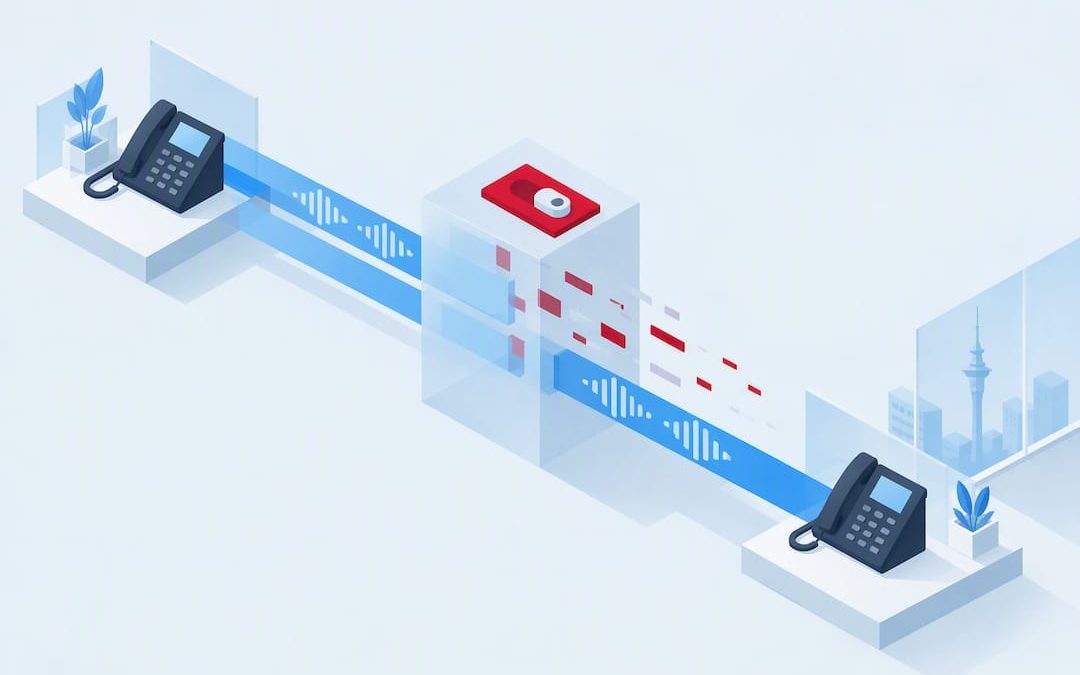
Caller ID spoofing prevention on a business cloud phone system comes down to three things working together: provider-level caller signing under STIR/SHAKEN or an equivalent standard, platform controls inside your telephony estate, and carrier cooperation when a number...
The simplest way to stop losing after hours callers is a professionally staffed, cloud hosted after hours phone answering service, with AI augmentation added where call volume or budget demands it. This suits any business that can’t afford a missed lead, needs fast...
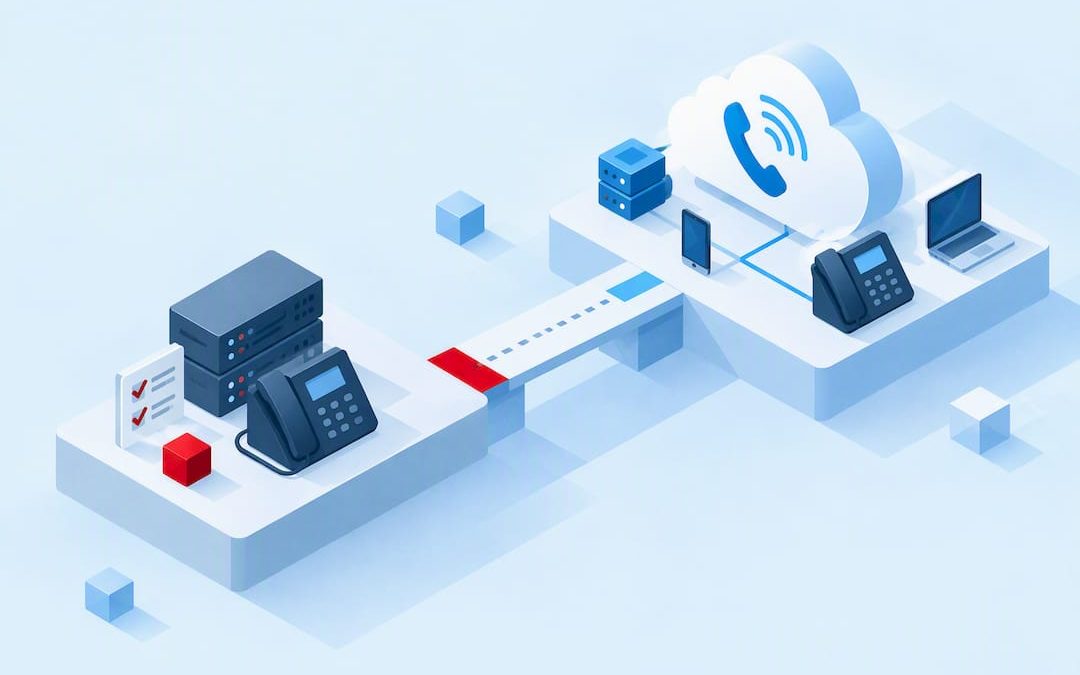
A cloud PBX is a business phone system hosted by a provider and delivered over the internet, replacing on-premise PBX hardware while adding mobility and lower capital costs. Instead of a server room full of cabling and telephony cards, your team makes and receives...
Disable SIP ALG when your phones show one-way audio, failed registrations, or dropped transfers, because the feature was built for older NAT setups and now conflicts with the way modern VoIP handles NAT traversal. It’s not a maintenance chore. It’s a fix for a known...
The formula is simple: total bandwidth equals concurrent calls multiplied by per-call bandwidth multiplied by your headroom factor. For most small businesses, upload capacity matters more than the download speed on the plan you’re paying for, and network performance...
Three things drive video conferencing cost: per-user licence fees, meeting-room hardware, and ongoing support. Expect hardware to dominate your first-year bill, then licences and support take over as the recurring cost from year two onward, often split roughly 50/50...